Palestinian Standards Institution and Ministry of Agriculture Sign Agreement to Train 50 Engineers on the PAL-GAP System
Palestinian Standards Institution and Ministry of Agriculture Sign Agreement to Train 50 Engineers on the PAL-GAP System
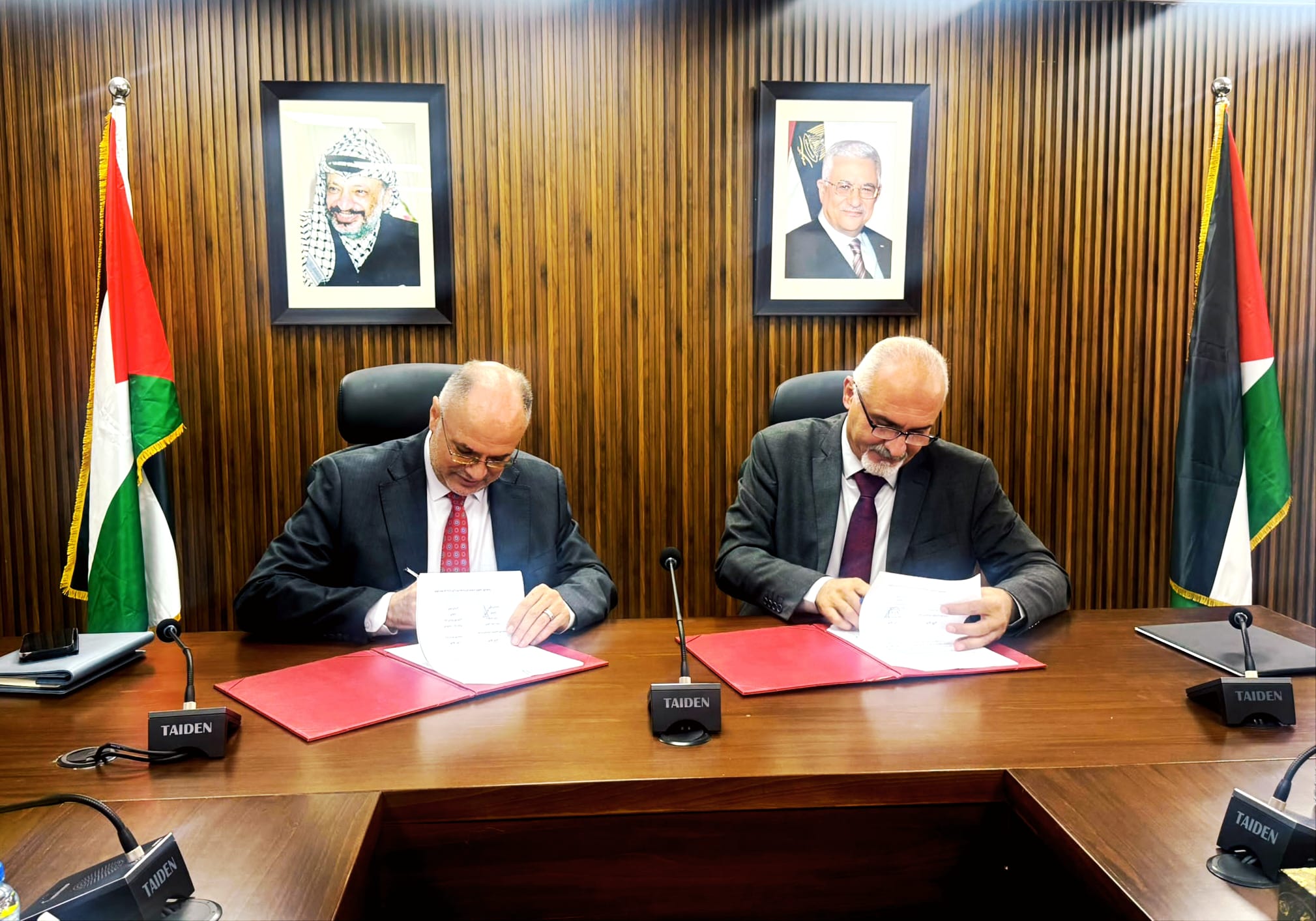
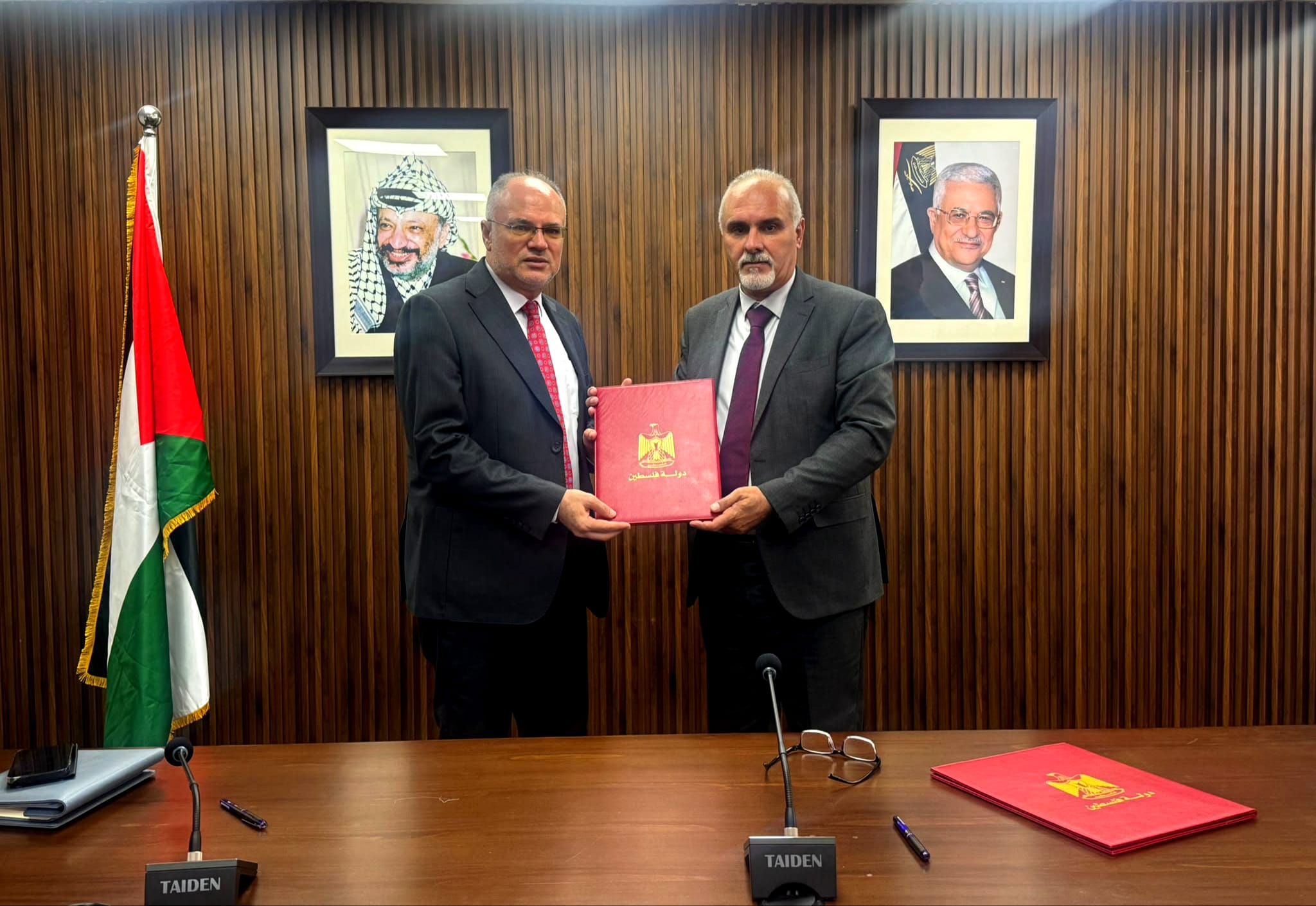
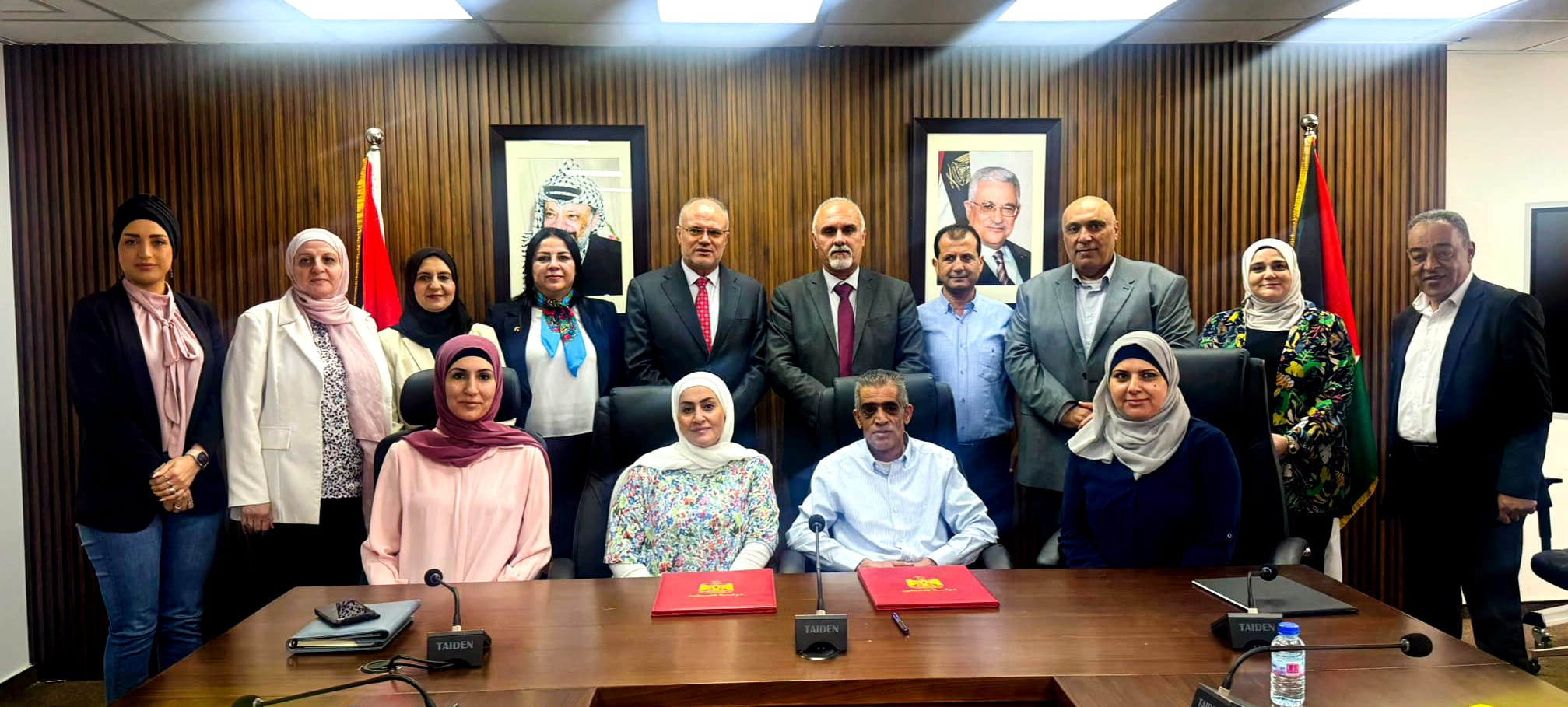
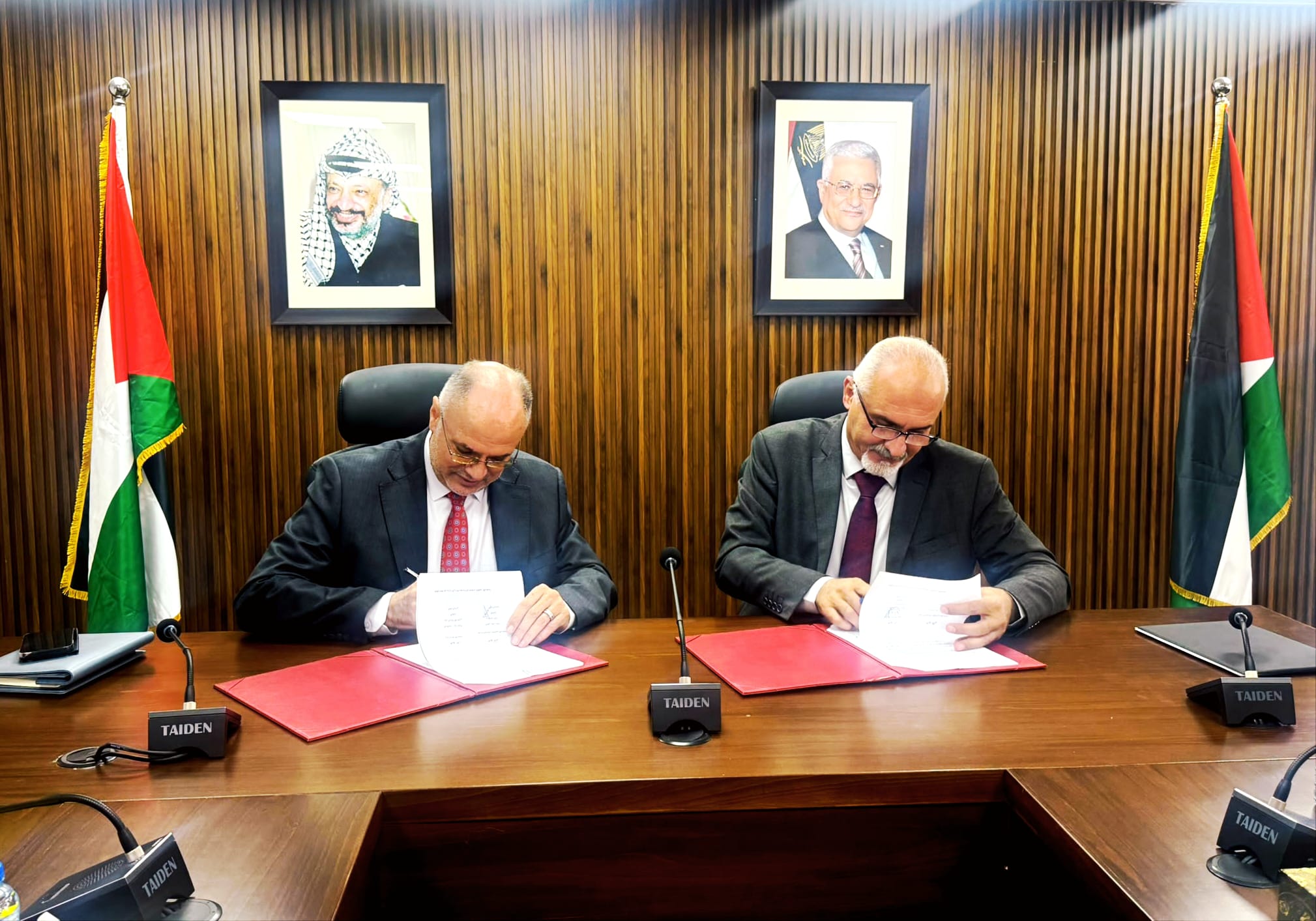
Ramallah – Director General of the Palestinian Standards Institution (PSI), Dr. Haider Hajja, and Minister of Agriculture, Prof. Rizq Salimiyah, signed today, Monday, a technical cooperation agreement to implement a training and capacity-building program on the Palestinian Good Agricultural Practices System (PAL-GAP – PS 4109). The program aims to train and qualify 50 agricultural engineers from the Ministry of Agriculture.
The program is part of the Social Recovery and Job Creation in Agriculture Project, funded by the World Bank, and aims to strengthen the implementation of good agricultural practices, improve the quality and safety of Palestinian agricultural products, and enhance their competitiveness.
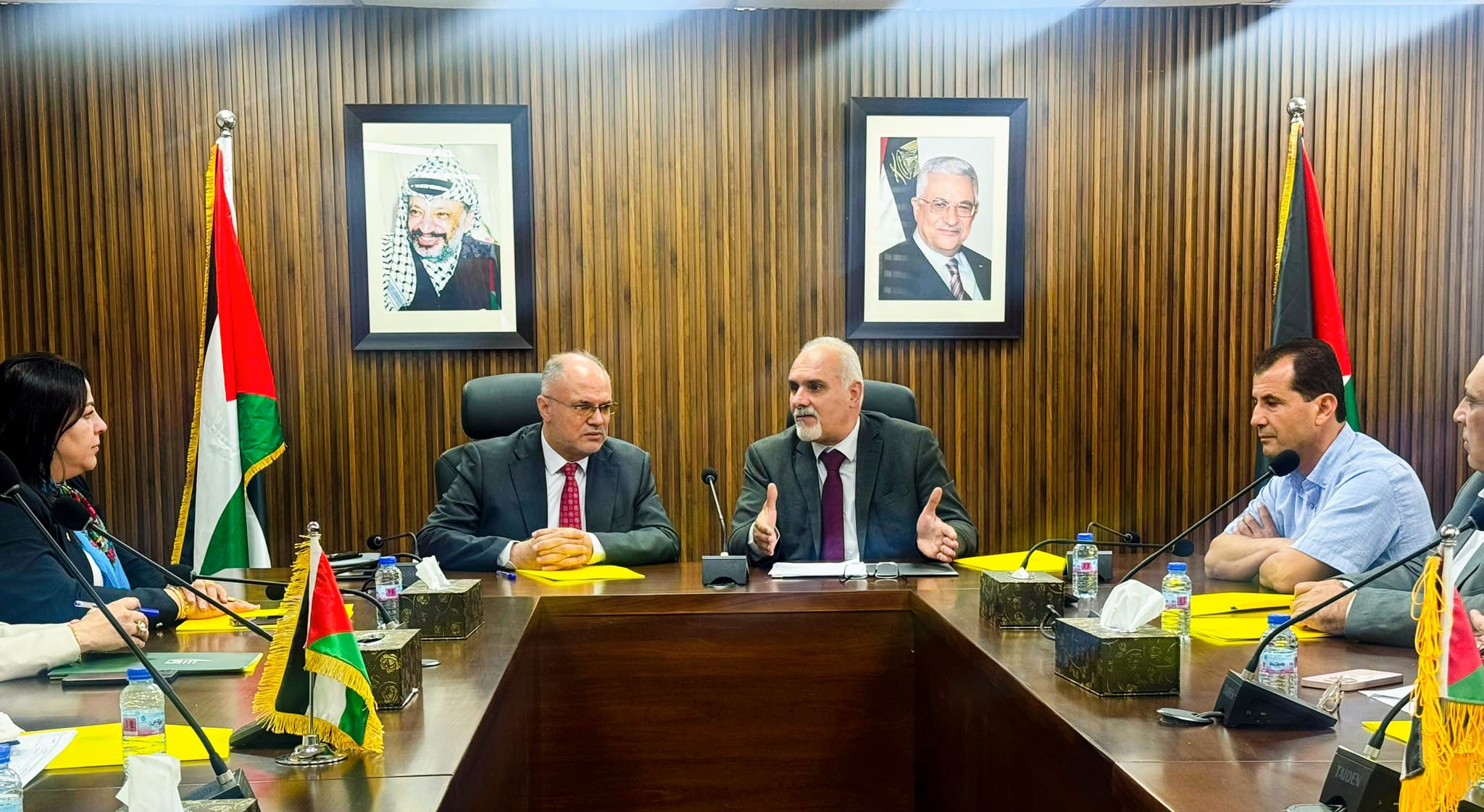
Dr. Hajja emphasized the importance of partnership with the Ministry of Agriculture in developing the quality infrastructure in the agricultural sector. He noted that PSI places particular emphasis on developing Palestinian standards and technical regulations related to agricultural products, fertilizers, pesticides, and animal feed.
He added that agriculture and industry are two fundamental pillars of the national economy, and that integrating national efforts and expertise contributes to improving the quality and competitiveness of Palestinian products and facilitating their access to markets. He also underscored the importance of developing standards related to organic agriculture, building national capacities in olive oil quality, and strengthening joint efforts on priority areas, particularly olive oil, dates, and food safety.
For his part, Prof. Salimiyah commended the technical role played by the Palestinian Standards Institution in supporting the agricultural and industrial sectors and strengthening the quality infrastructure. He emphasized the importance of developing infrastructure and laboratory capabilities to ensure the quality of agricultural products and their compliance with standards and requirements, thereby enhancing their opportunities in local and export markets.
Under the agreement, the Palestinian Standards Institution will prepare the training plan and materials and deliver four days of theoretical training in two phases, in addition to two days of practical and field training. PSI will also conduct the final assessments and examinations, with the aim of qualifying participants as assistant advisors in the implementation of the PAL-GAP system. The Ministry of Agriculture will provide the organizational and logistical requirements necessary for implementing the program.
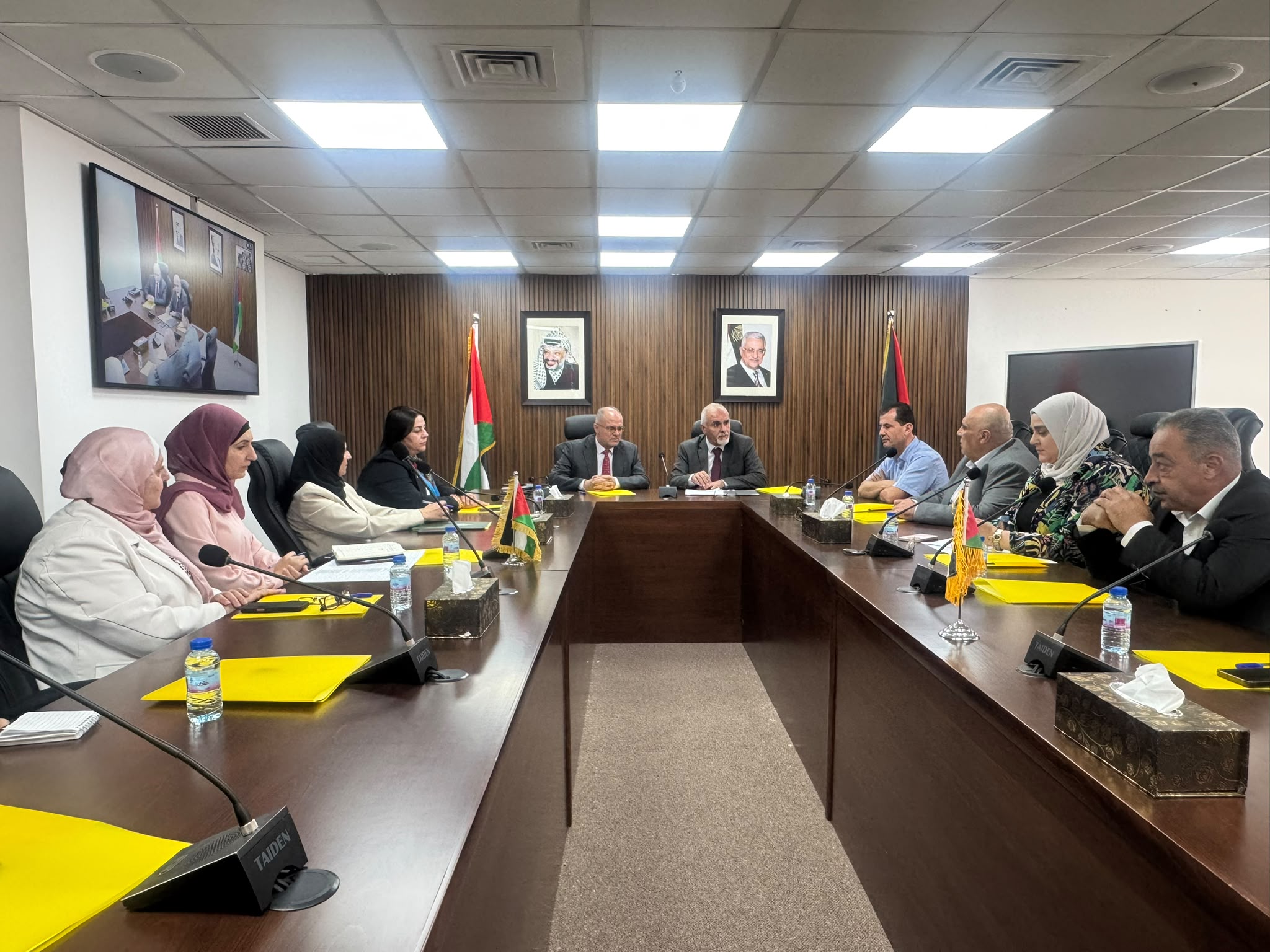
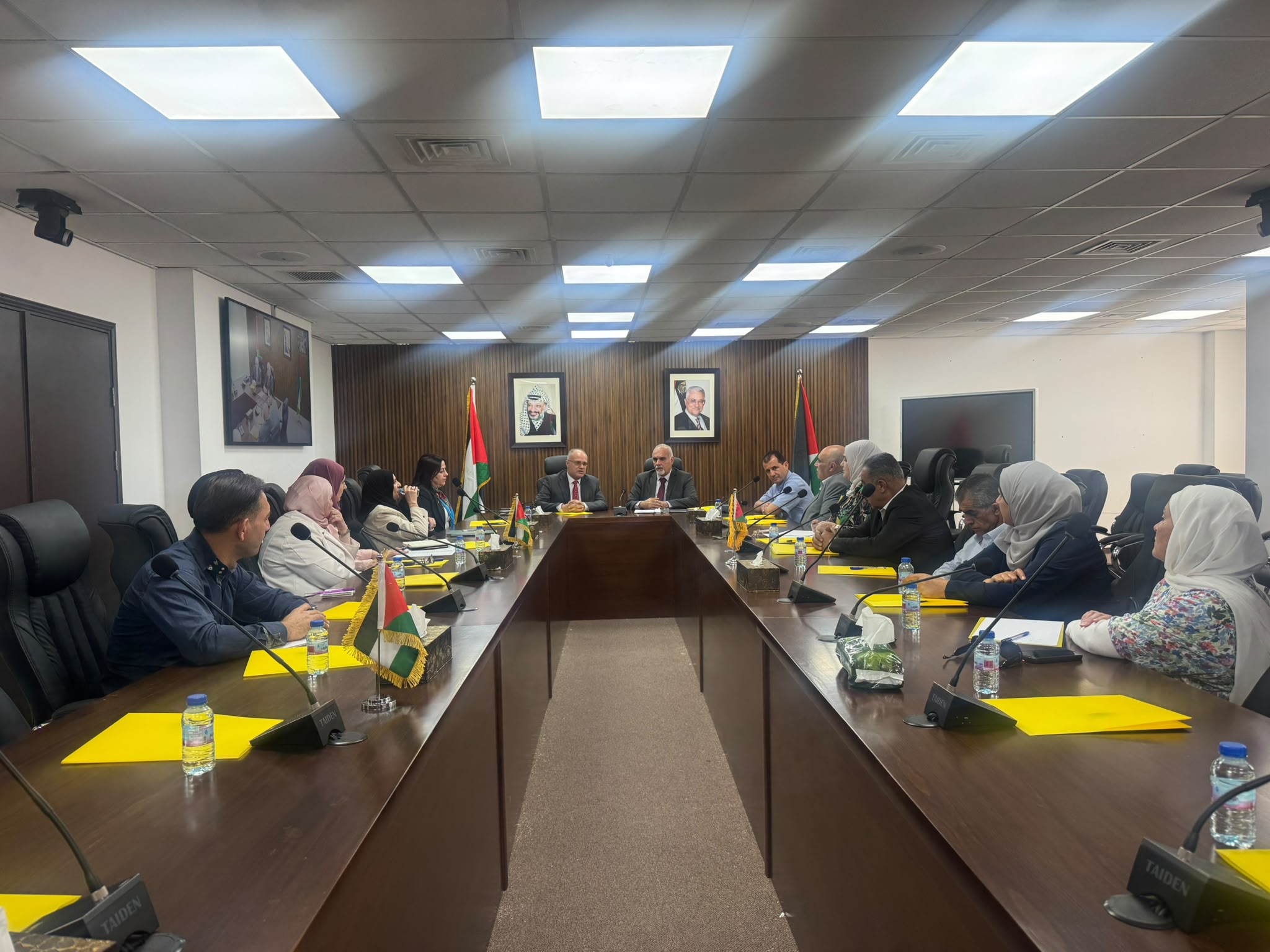
The signing ceremony was attended by a number of directors of relevant departments and units from both sides. Representing PSI were International Cooperation Director Eng. Reem Al-Barghouthi and Quality and Qualification Department Director Eng. Taghreed Shehadeh.